.png)

The GHI Fund proudly support soldiers, lone soldiers, and active reservists in funding trauma therapy via private practice multilingual therapists to provide imminent specialized care. Soldiers can select their own therapist through our database of participating therapists.

The Power of Art Therapy for Emotional Healing
By: Sara FeinbergPeople often ask me, “What is art therapy and how does it work?” Art therapy…
Read More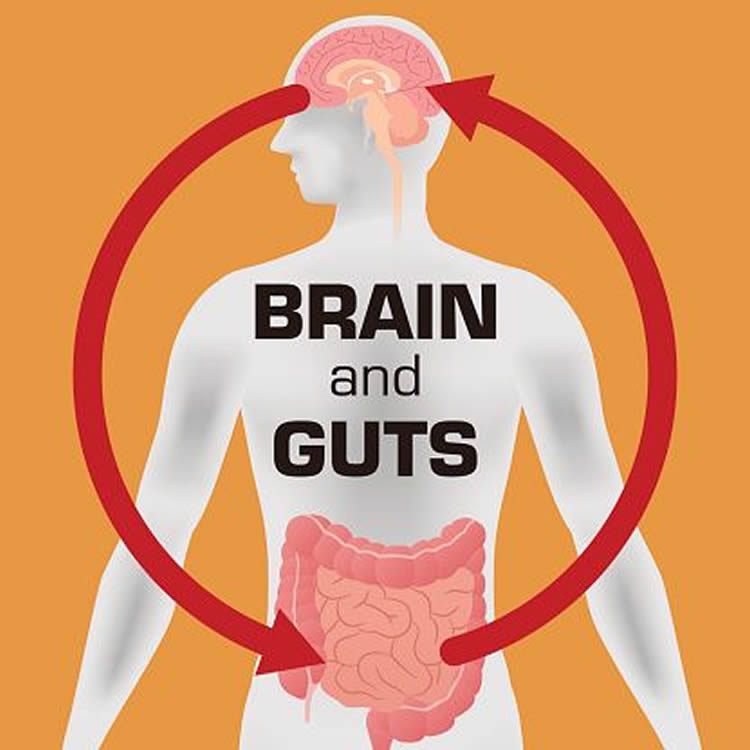
Of Guts and Brain: The Gut-Brain Axis
By: Ruth ShidloIf you are willing to make a few changes, “disease goes away as a side effect of health.” (Hyman, 2012, p. 29)
Read More.png)
How to Connect With Your Partner in the Pandemic and Beyond
By: Judy MarkoseConsider this dream: you and your partner experience the pandemic with your marriage intact and your family even closer and more connected than ever. You can practice a more loving way of relating, with more kindness and giving. This blog offers practical tips for becoming a great communicator, being a generous listener, and adding gratitude to your relationship.
Read More
Simmering Soup: On the Importance of Asking Questions
By: Robin B. ZeigerSometimes the question sits on the back burner like low-simmering stew that has all but been forgotten. An innocent question may ignite a fire in a chilly room and we are off in a new direction. Or sometimes it buzzes around like a nasty mosquito.
Read More
Beginnings & Endings: Making Sense of Life Changes
By: Keren BurgmanThe holiday season has ended, the parties and festivities subsided, and we come back to…
Read More.png)
Understanding Group Therapy: Benefits, Core Principles, and Distinctions
By: Malka CohnTherapists often discuss the need for their clients to have supplemental support and another avenue for self-growth and reflection. Group Therapy, also known as a Process Group is more than support. It is a social microcosm where personal struggles are discussed in the here-and-now. While sharing similar benefits as other group models, it becomes a living family dynamic where members can support, challenge and model healthy interactions with guidance of the therapist group leader.
Read More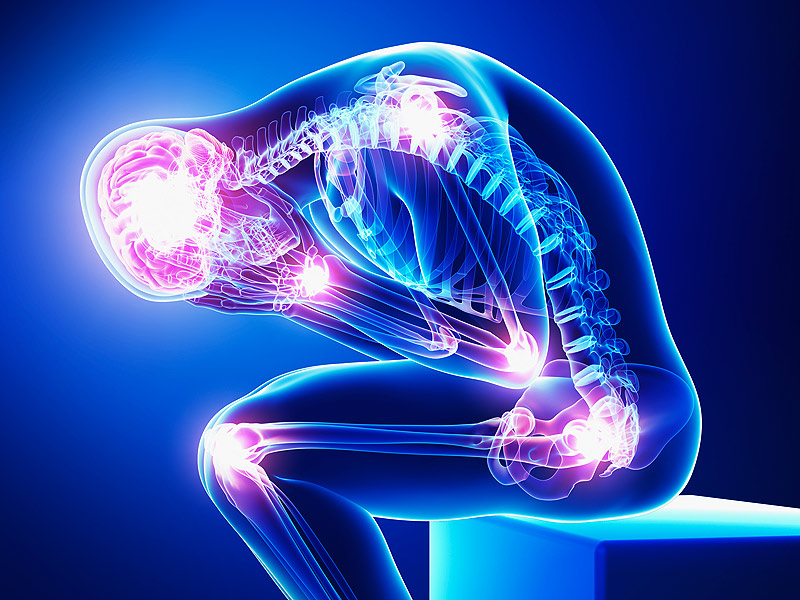
Valuable Tips to Manage Pain
By: Ruth ShidloGiven what we know today, it appears likely that unresolved trauma, whether minor or major, plays a role in the persistence of chronic pain, through mechanisms of kindling (a self-perpetuating phenomenon of neural excitation) and priming (in which the brain readies itself to respond a certain way), that cause us to continually brace ourselves against the threat that caused the pain or the internal threat of pain itself. This is great news, because it means that to the extent that the trauma is worked through at the body/mind level, the pain should either disappear or lessen.
Read More.png)
Understanding Relational Therapy and Why It Matters in Eating Disorder Treatment
By: Hadassah (Johanna) HazanThis piece traces the evolution of relational therapy and shows why its emphasis on attunement, authenticity, and connection is especially effective in treating eating disorders. It reveals how the therapeutic relationship itself becomes a corrective emotional experience, allowing clients to access and heal the deeper wounds beneath disordered eating.
Read More
Beyond Anorexia, Bulimia and Binge Eating Disorder: Understanding The Spectrum of Disordered Eating Behaviours
By: Hadassah (Johanna) Hazan
I feel frustrated when people dismiss lesser well-known disordered eating behaviours. My experience has led me to very confidently believe, that no one ends up in these sort of patterns, without there being something else going on, something that feels as if it requires some sort of distraction from, or total obliteration of. These things need healing. If they aren’t, they persist and the behaviours (coping mechanisms) developed to deal with them become harder to shift out of, thus limiting a person’s life ever more destructively.
Read More

Fundamentals of Trauma Recovery, Part 8/8
By: Chava LedererBy tackling pieces of your recovery to tackle that are ever-so-small, you ensure your success; this will build greater self-confidence and foundations for each further success.
Read More.png)
The Emotion Valve
By: Yonatan SchechterWhen someone is friendly, capable, and well-liked yet can't seem to make a relationship work, the answer may lie not in who they are today, but in who they had to become in childhood.
Read More
Fundamentals of Trauma Recovery, Part 6
By: Chava LedererIn building muscle, you will literally build your container to bear it all. When your container is fortified, recovery will be easier.
Read More.png)
Survivorship Bias: Missing Planes and Missing Data
By: Yisroel PickerSurvivorship bias is like the WWII military only looking at bullet holes in planes that returned, while ignoring the ones that crashed. In the same way, we copy the 'hustle' of famous billionaires and think it’s a blueprint, forgetting the thousands of people who did the exact same thing and failed. If you only look at the survivors, you’re missing the full picture of the risks you’re actually taking. To truly survive, you have to stop obsessing over the winners and start looking at the planes that never made it home.
Read More
Fundamentals of Trauma Recovery (Part 1)
By: Chava LedererIn trauma recovery, being mindful of your personal gauge will inform you what’s helpful, what is not, what soothes, what activates, what feels good, what is uncomfortable. Listening to your gauge is essential in deciding what’s the best for your recovery.
Read More
Sating the Binge
By: Chava LedererBingeing is an issue of physiological needs and emotional nourishment. If we attend to these, we can find peace with food, our bodies, and our minds.
Read More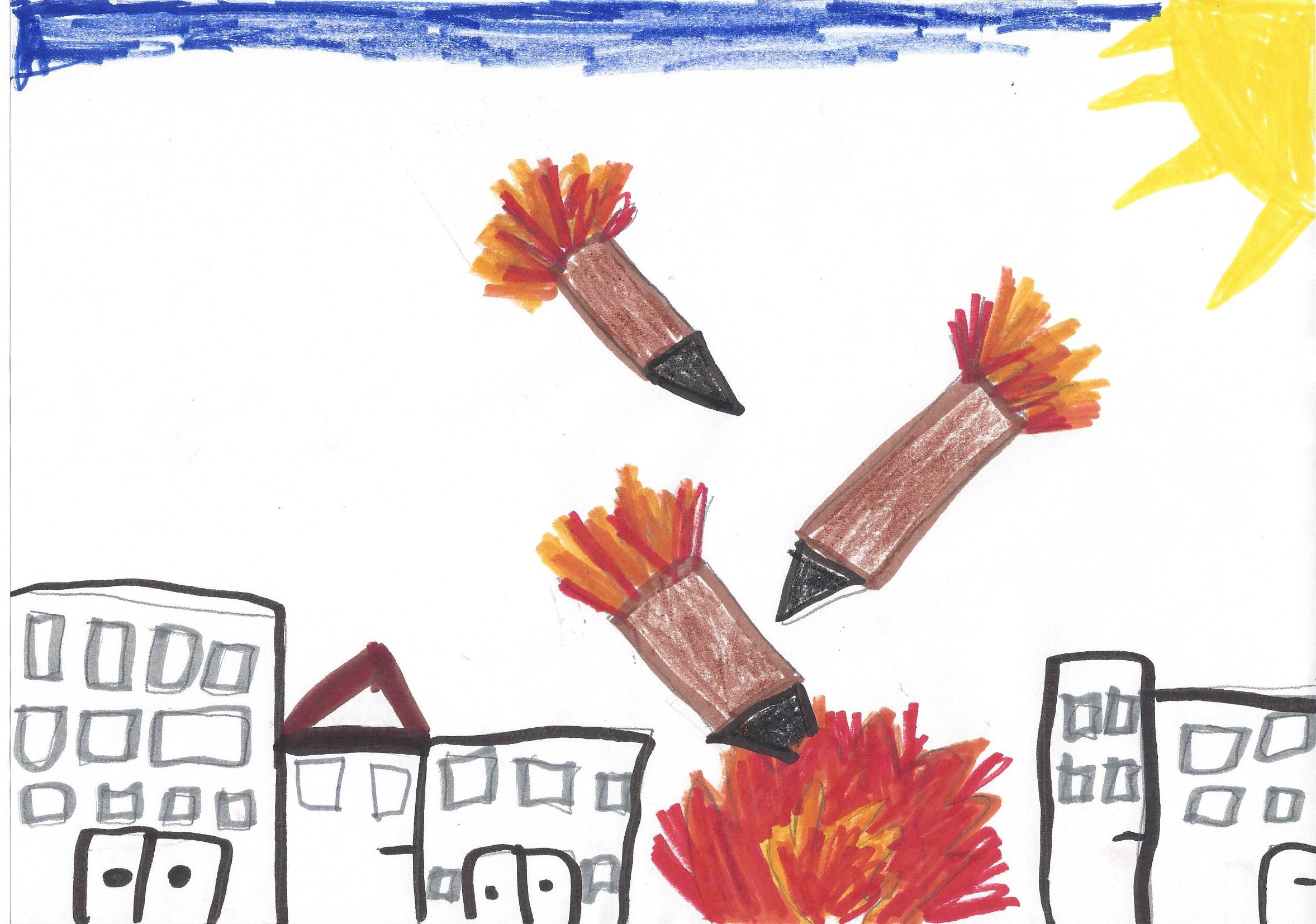
How to Emotionally Support Children During Challenging Times – Speaking to your children about recent rocket attacks in Israel
By: Sara FeinbergFollowing the recent rocket attacks, many parents have asked me how best to respond to their children and help them manage their concerns and fears. Just as we have all heard the booms and seen the news reports, our children too are well aware of what is happening. As parents it is our job to support them through these difficult times. Here are some recommendations that can help.
Read More
Earth, Water, Air, and Fire
By: Chava LedererThe four classical elements are channels through which we make contact with the present moment reality, and engage our uniquely human mind – a mind capable of creativity, of connecting to others, of faith and spirituality. I offer you these four elements as resources in moments of stress, panic, fear, or any other overwhelming experience.
Read More
What Makes Us Miss Relationship Red Flags?
By: Micki Lavin-PellHave you come out of a relationship recently where you feel like banging your head against a wall because yet again you’ve dated someone who turned out to be a bad apple? So you go into this mantra of telling yourself there must be no good people to date, because everyone you go out with ends badly.
Your dating pattern may look something like this. You meet someone, they make you feel really good in the beginning, they treat you nicely, take you to nice places and show you a good time. Then slowly they show less interest in you. Maybe they distance themselves from you, start saying things that are hurtful, or seem to care less about your opinion?

To Be Mindful Or Not To Be
By: Chava LedererSo, I encourage mindfulness. I invite my clients to be mindful: to attend, without judgment, to the present moment. I invite them to notice themselves, and use that awareness to inform their next move.
Read MoreFor Soldiers and Reservists in Active Duty